Fashion Editorial
Custom Wedding Wear 2026: Designer Lehengas, Sherwanis and Guest Looks
2026 favors sculpted silhouettes, soft pastels mixed with rich brocade and Banarasi, and lightweight fabrics for summer functions. Start 12–16 weeks out for a full bridal lehenga. Expect 2–4 fittings. Budget from ₹2.5 lakh for strong boutique designers up to ₹15 lakh+ for couture-level work.
The best wedding outfits in India this year feel personal. They move with the wearer through long ceremonies. They flatter the actual body in front of the mirror, not a size chart. That only happens with true custom work.
What are the leading custom bridal fashion trends in 2026?
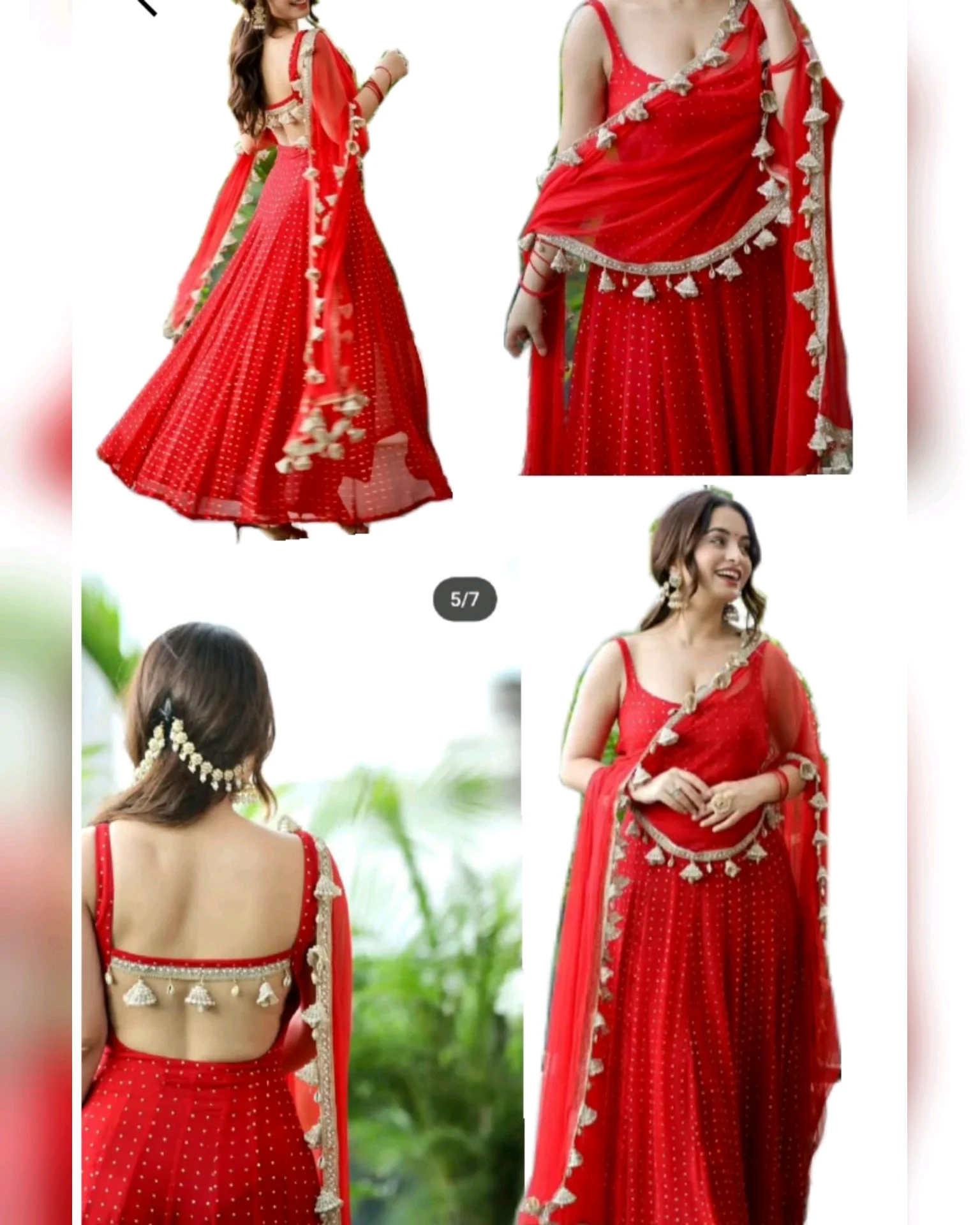
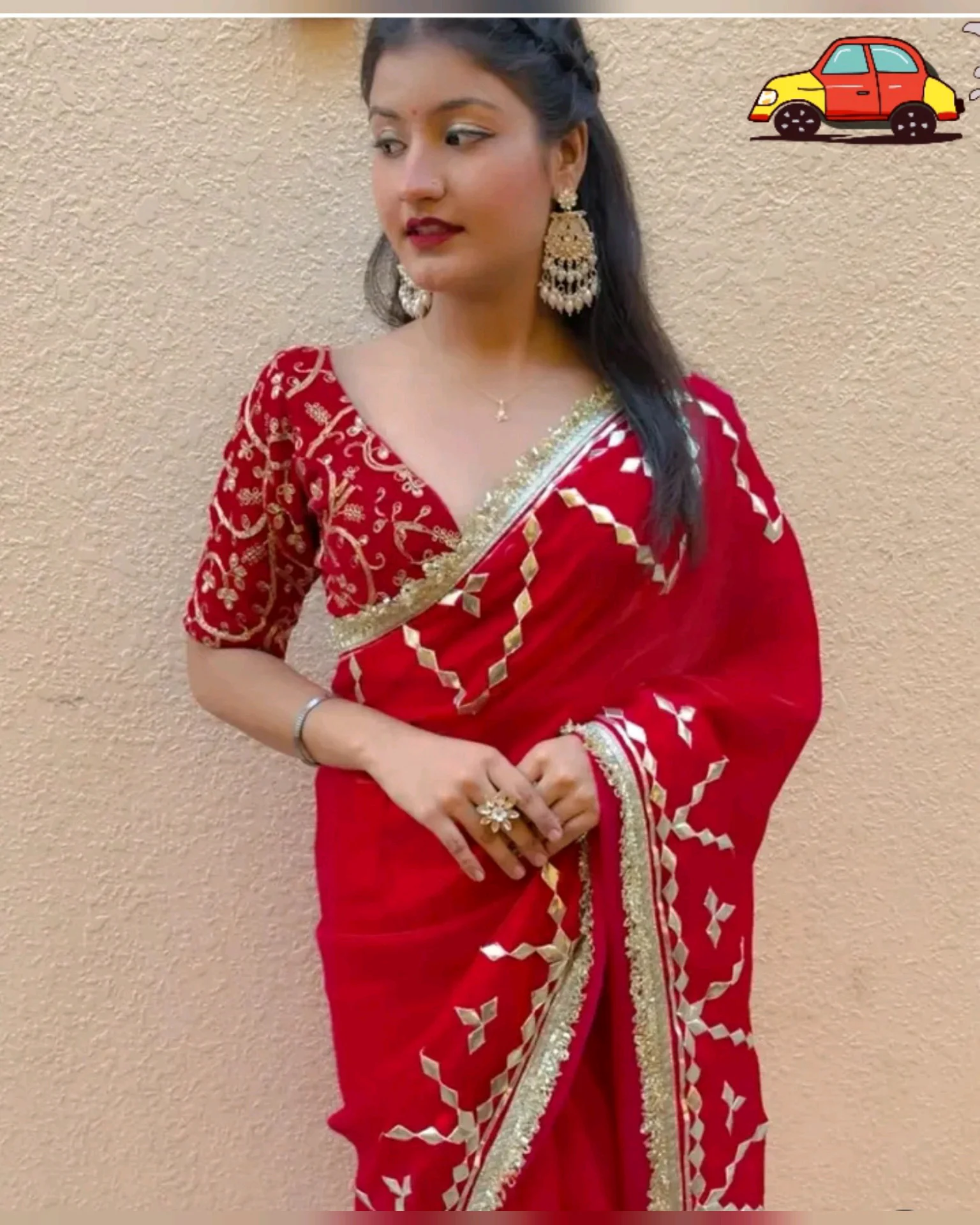
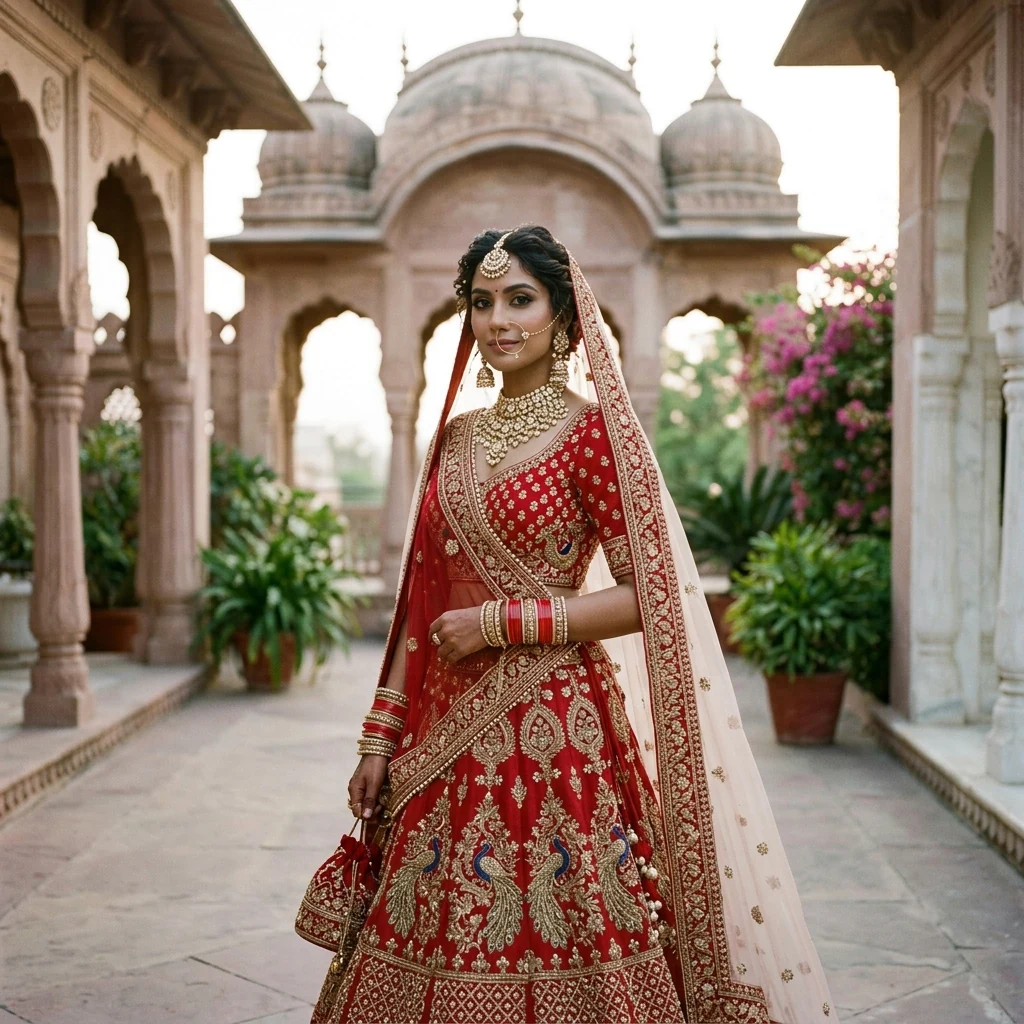
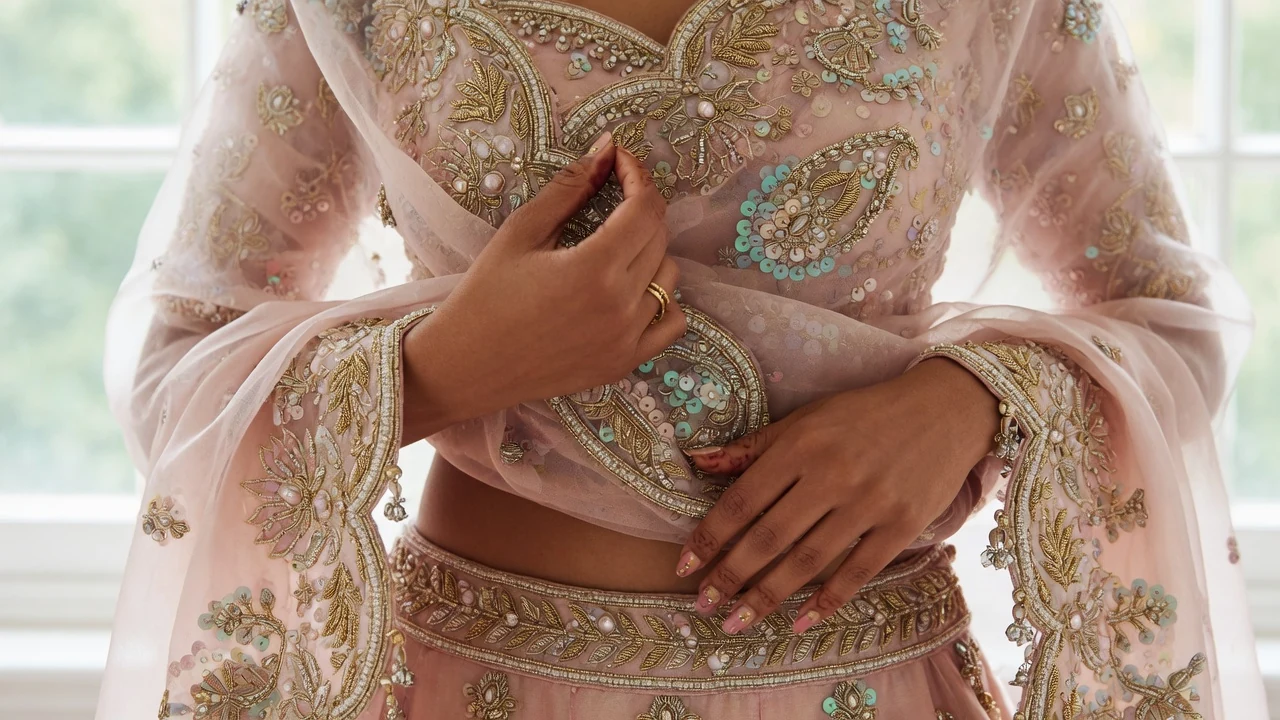
In 2026, bridal fashion trends emphasize quiet luxury, featuring clean silhouettes with heritage embroidery like zardozi on pastel organza, tissue silk, or classic Banarasi. Heavy all-over crystal work is replaced by focused placements and lightweight double-dupattas.
Brides are moving away from heavy crystal overload. The looks that photograph best right now have clean lines with thoughtful surface detail. Sculpted waists, softer flares, and blouses that actually stay put during a long day.
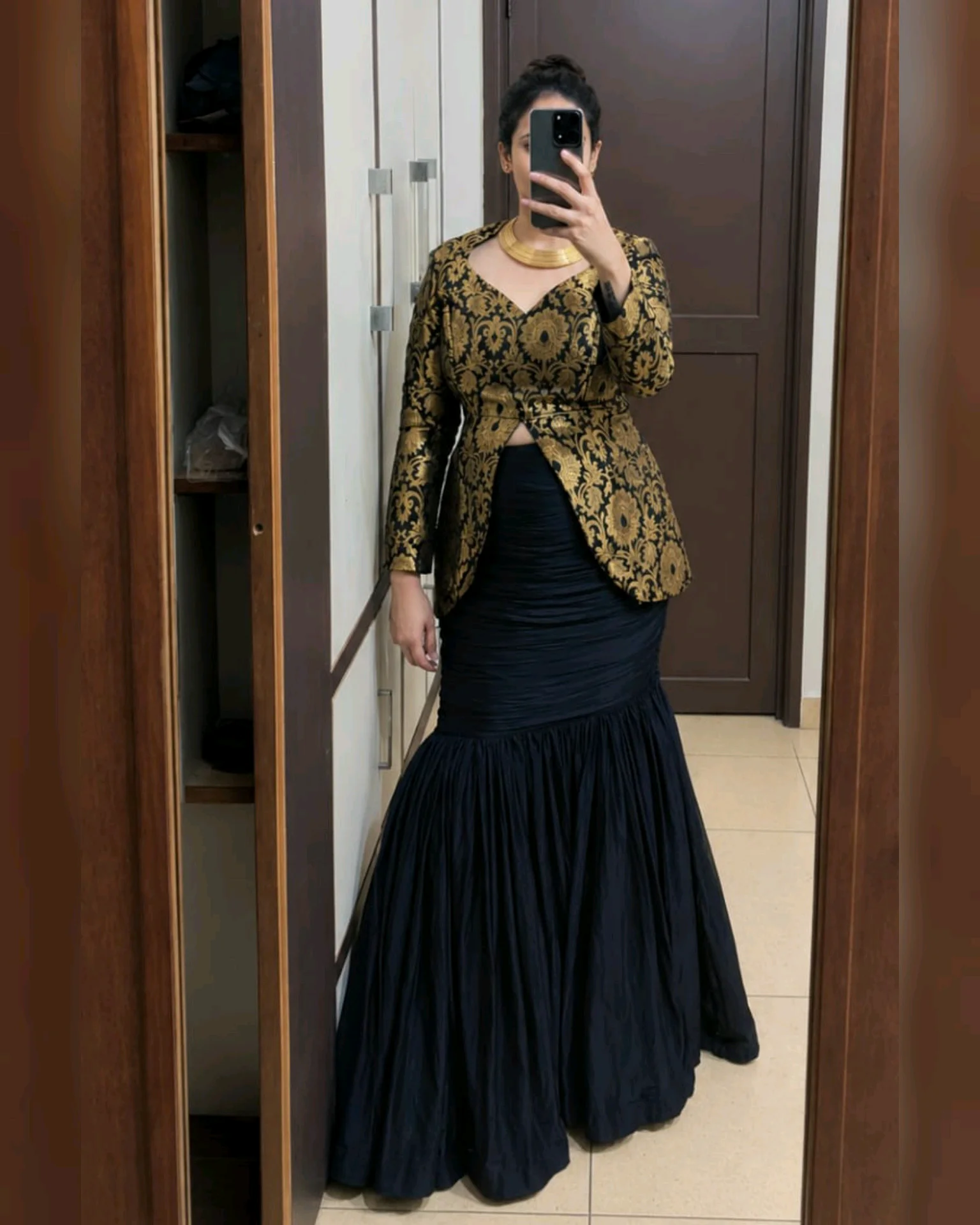
Indian designers are bringing back brocade and Banarasi silk in quieter color stories: ivory, gold, muted rose, and sage. At the same time, organza and net stay popular for haldi through reception because they breathe and catch light beautifully. Check our fabrics guide to learn more.
How do you choose the right lehenga silhouette for pheras?
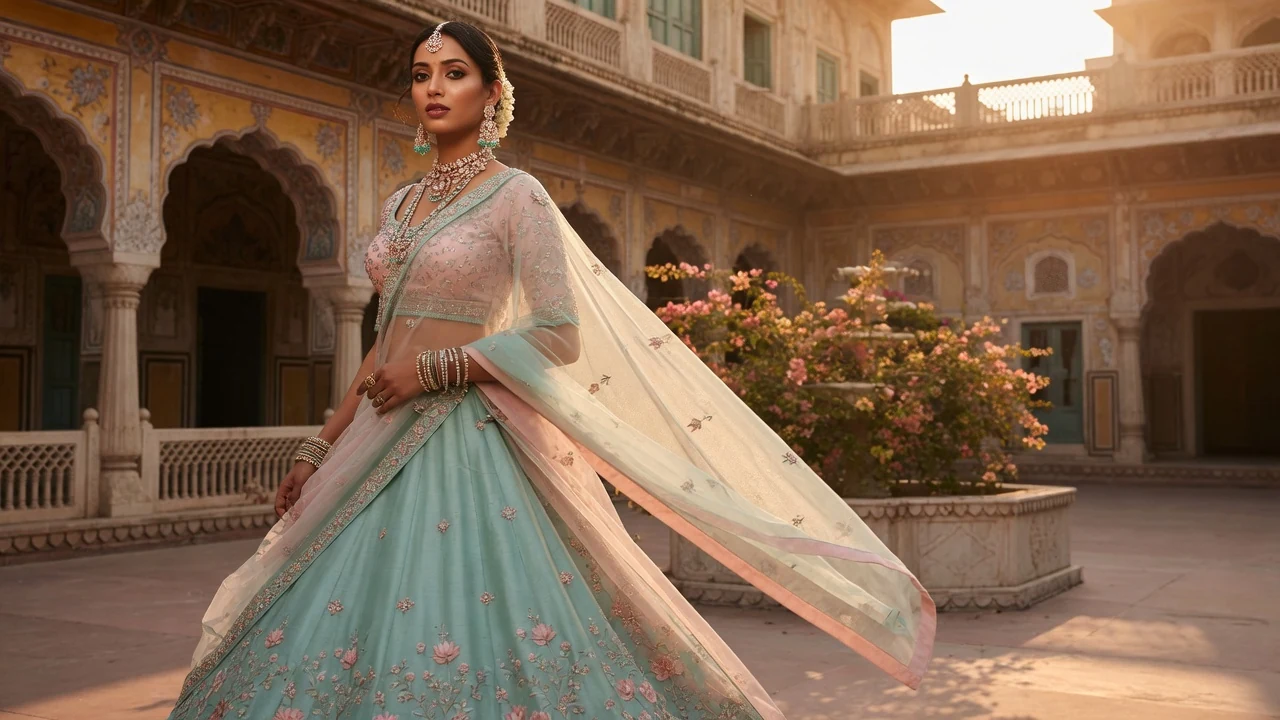
Select your lehenga silhouette based on comfort and movement requirements. Flared A-line silhouettes allow comfortable walking during pheras, whereas structured panelled cuts distribute weight evenly. Ensure the blouse is tailored to support your posture during long seating rituals.
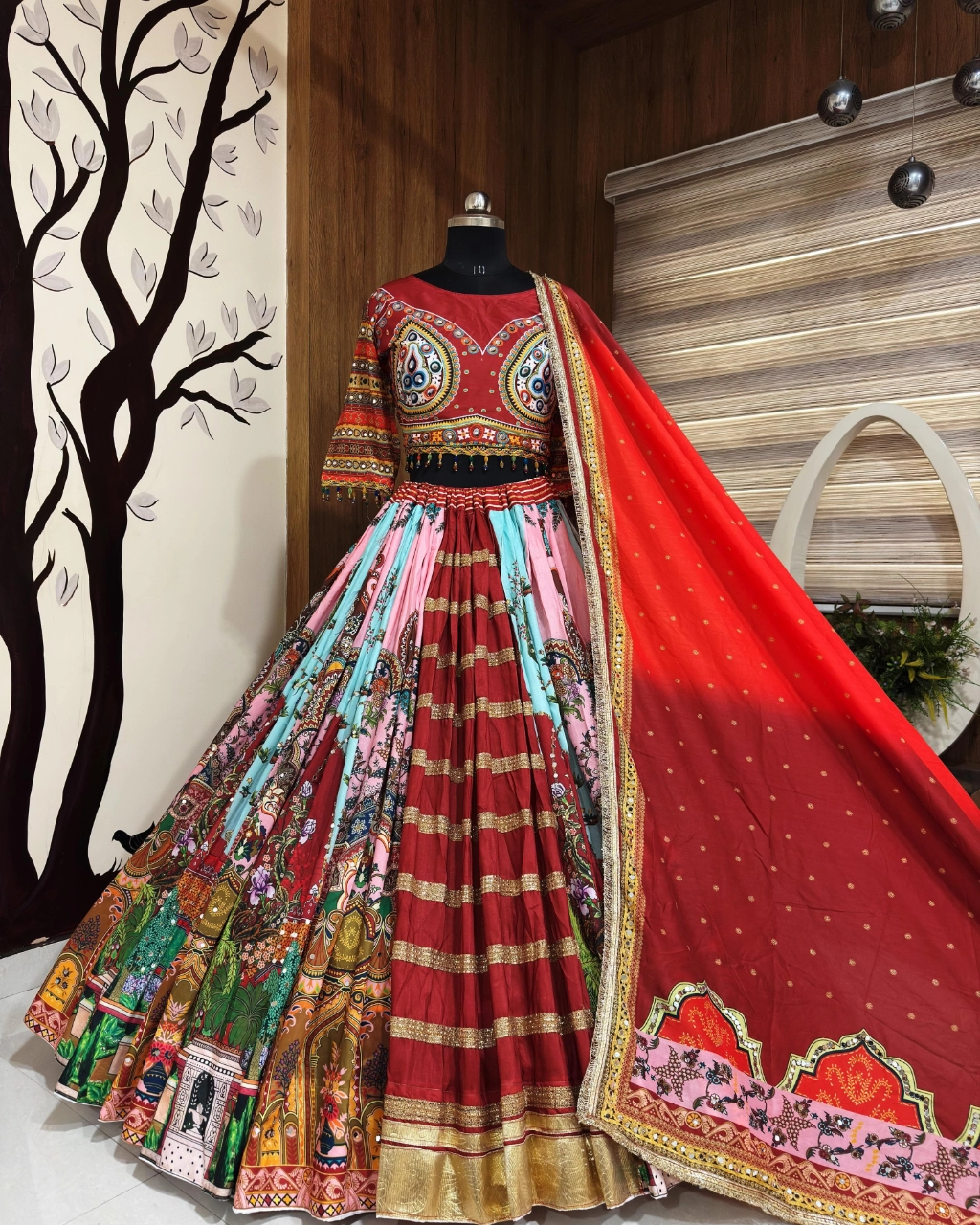
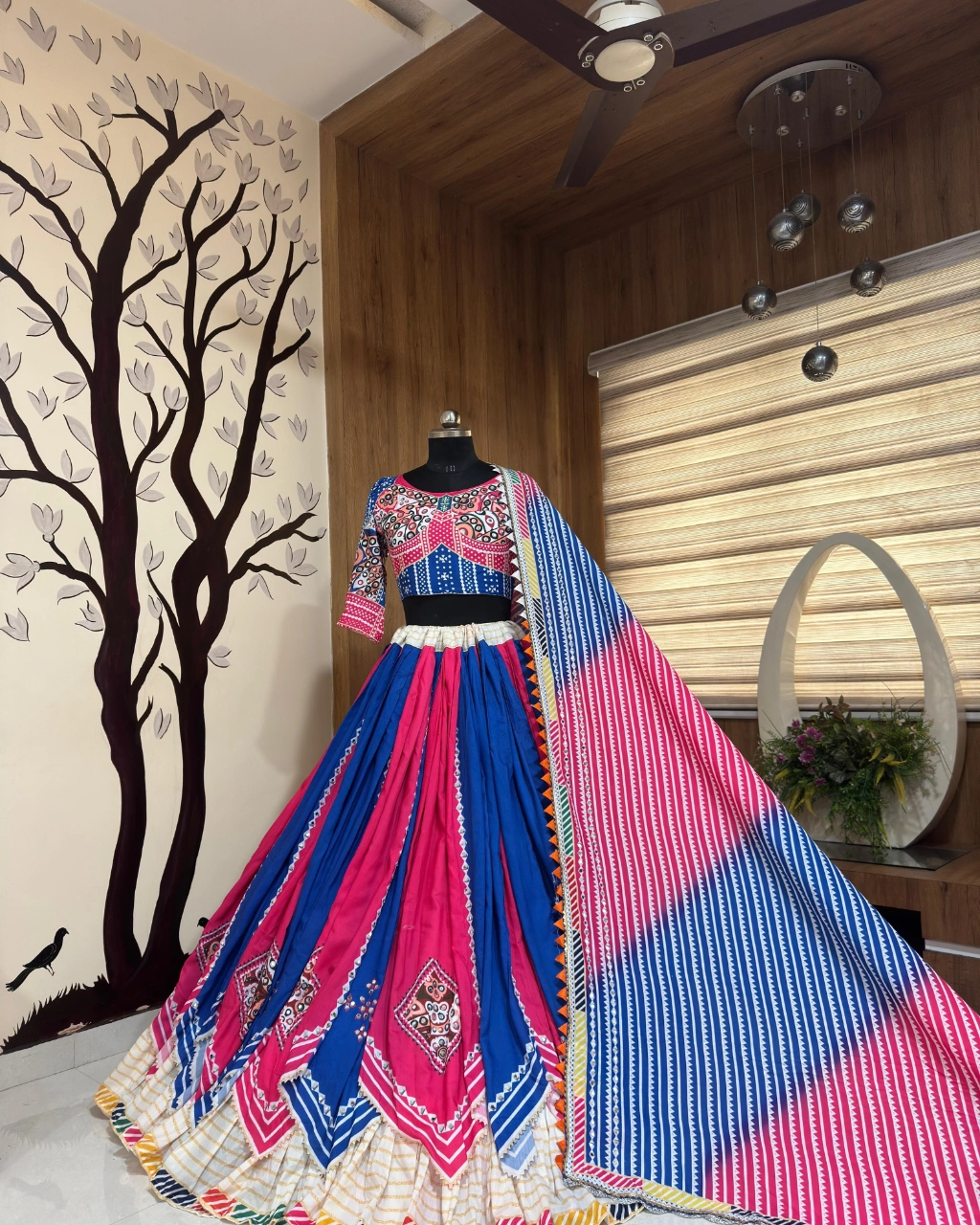
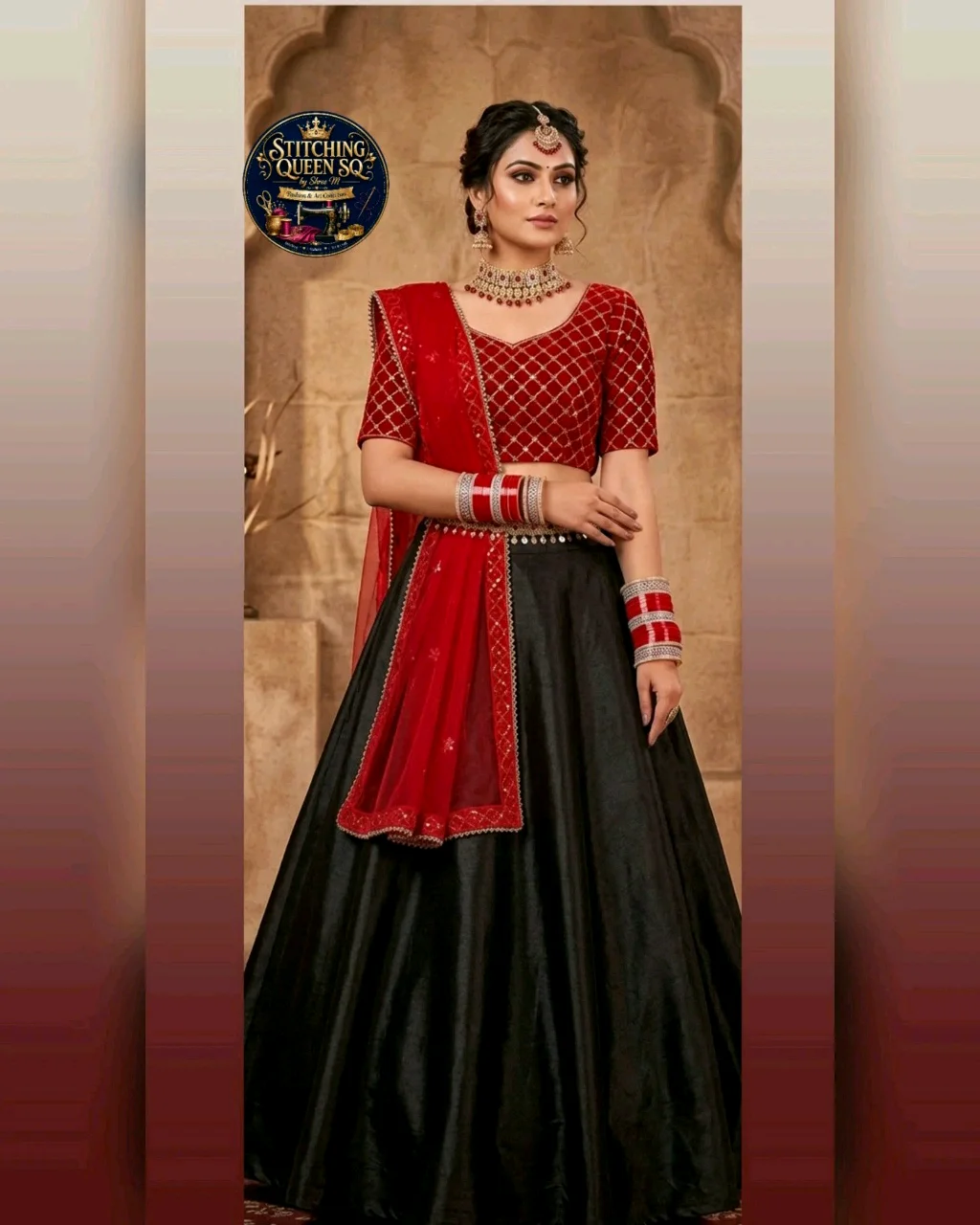
The lehenga still dominates for most brides. The silhouette matters more than ever:
- A-line or flared cuts: Work on the widest range of bodies and allow easy movement during pheras or long receptions.
- Mermaid or fish cuts: Look striking but require precise construction so the wearer can sit and stand comfortably.
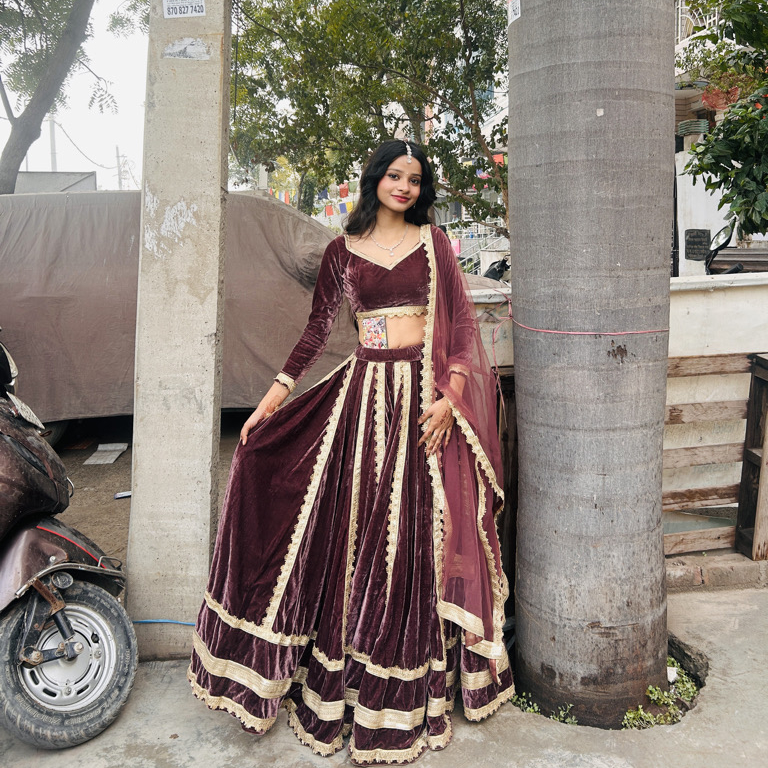
- Heavier raw silk or velvet: Gives structure and photographs rich. Lighter organza and net need good inner construction so they do not collapse.
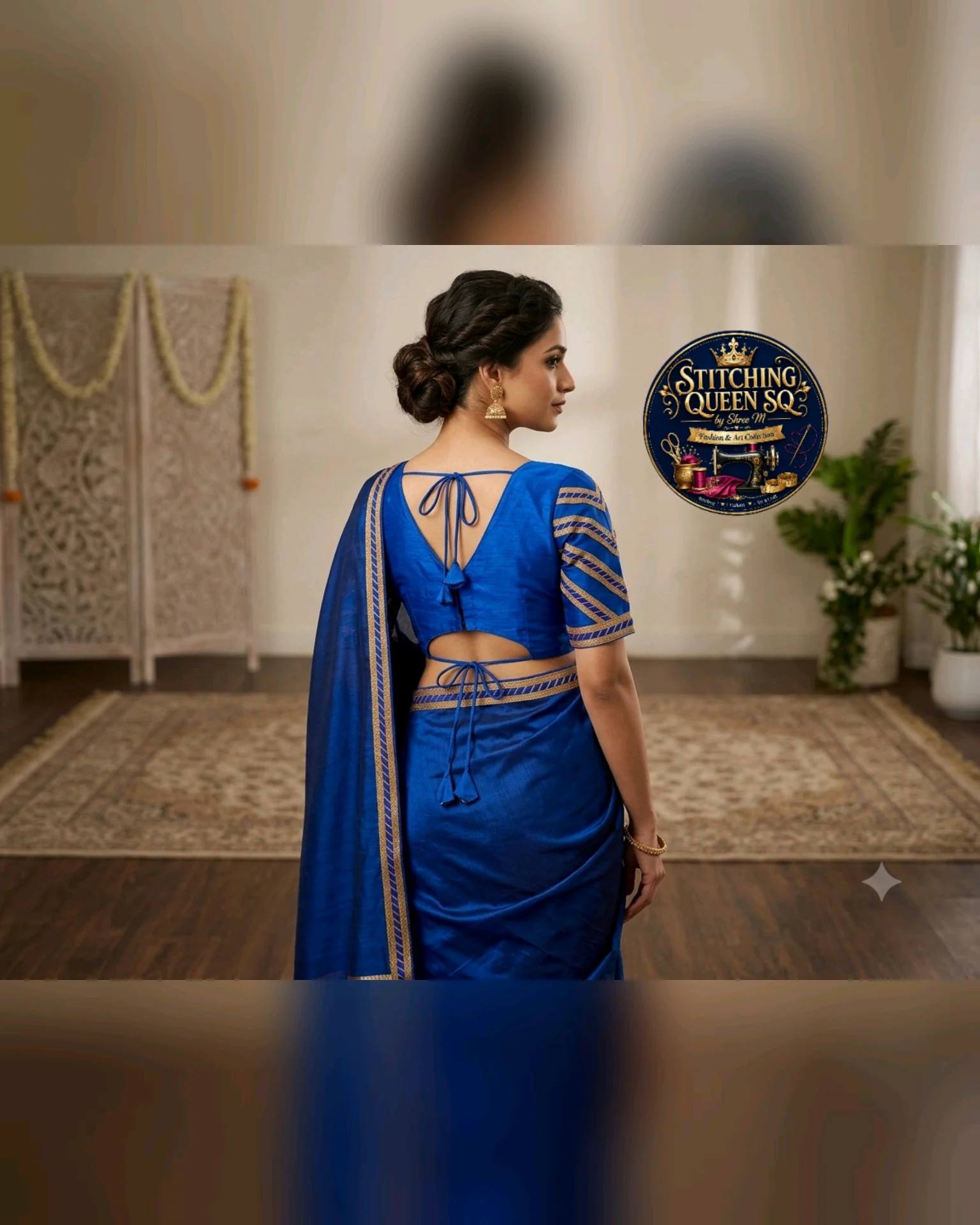
Pairing is simple. A blouse that supports the upper body changes everything. Many designers now cut the blouse to the client's actual measurements instead of offering four standard sizes.
What custom attire options are trending for grooms and wedding guests?
Groom wear in 2026 highlights soft bandhgalas and Indo-western sets made of raw silk or Banarasi brocade. Wedding guests favor custom silk shararas and modern Anarkalis, which provide superior fit and style compared to rental clothing.
Grooms have more options than before. A well-cut sherwani in raw silk or brocade still reads traditional. Many now choose softer bandhgalas or Indo-western sets for the reception.
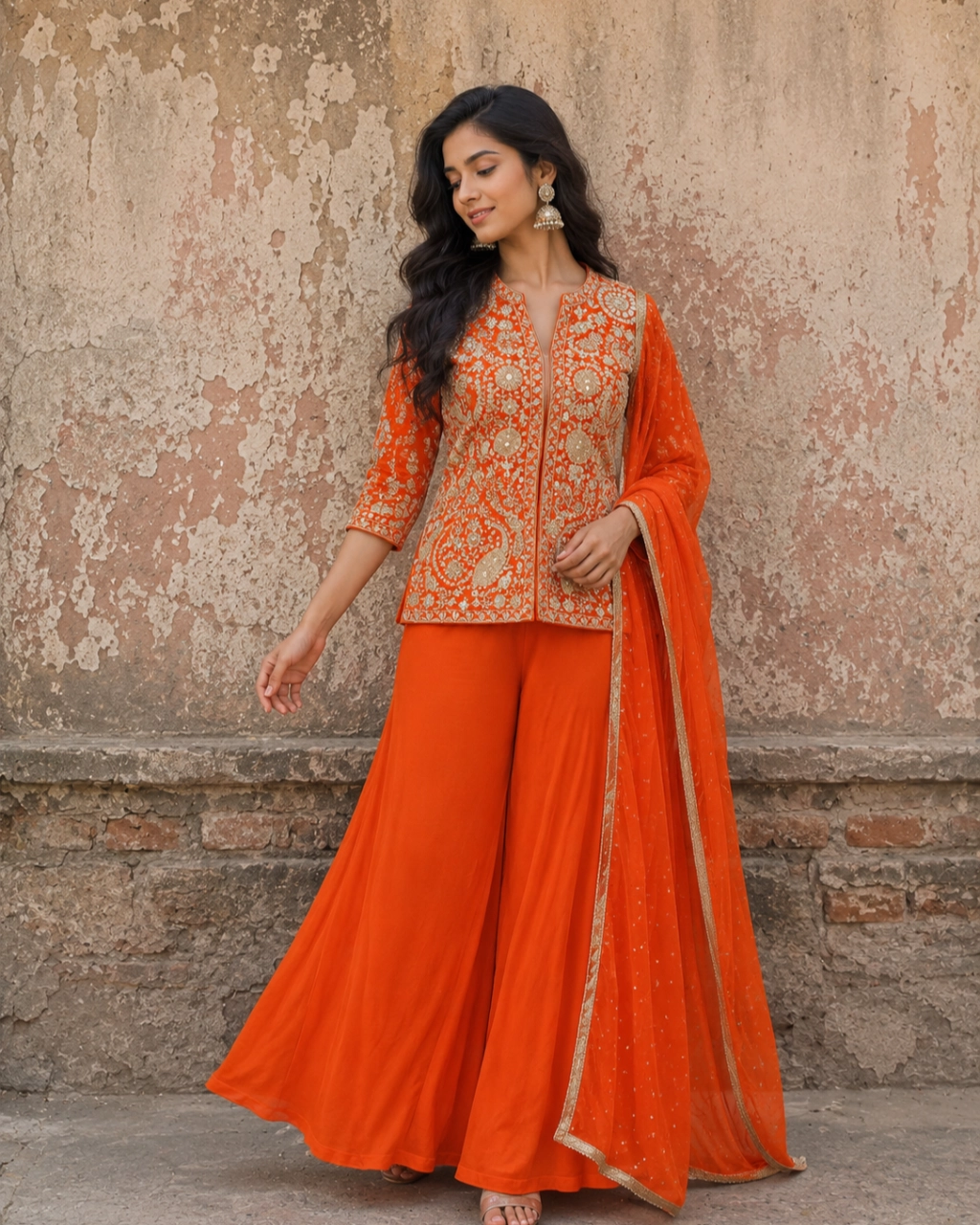
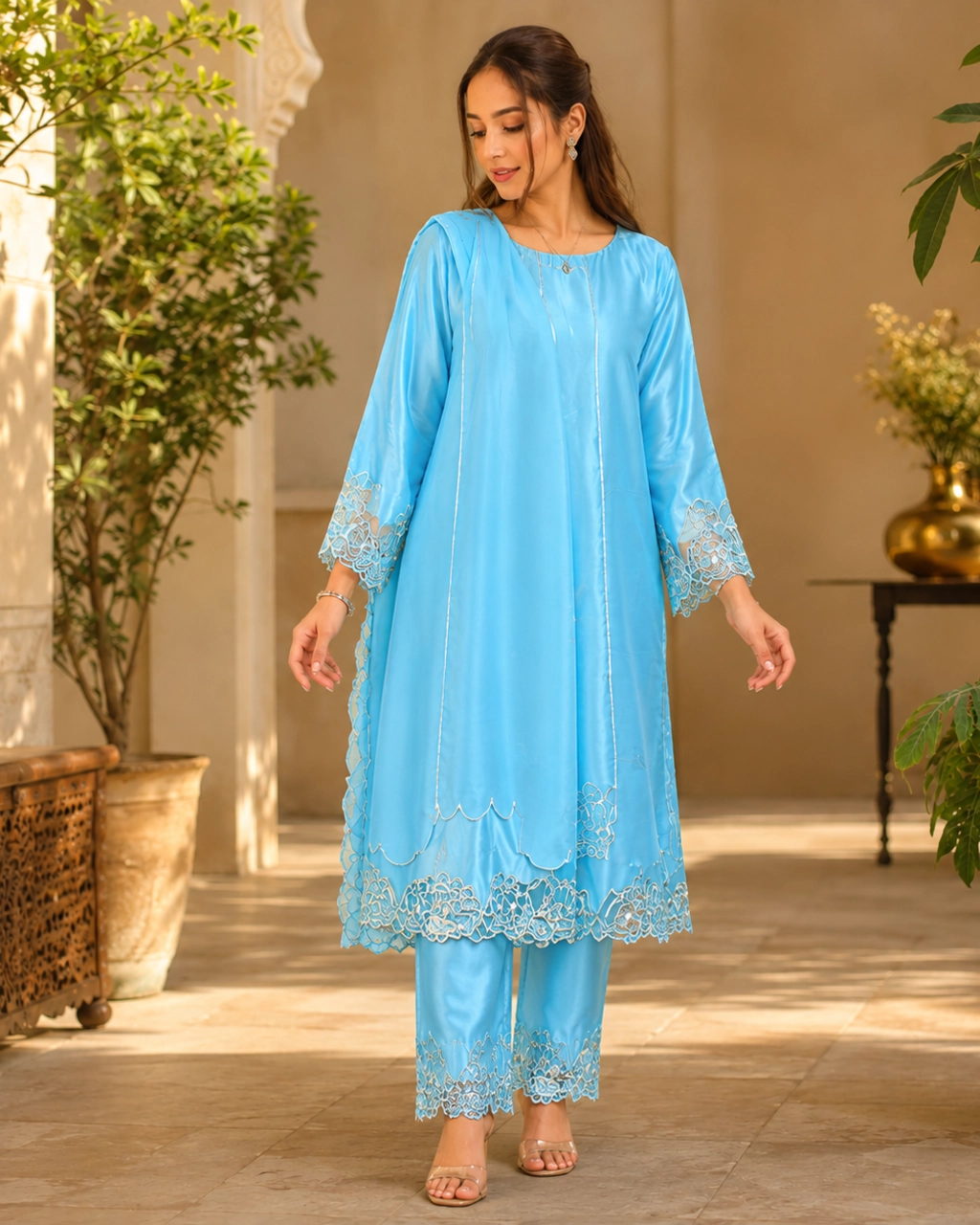
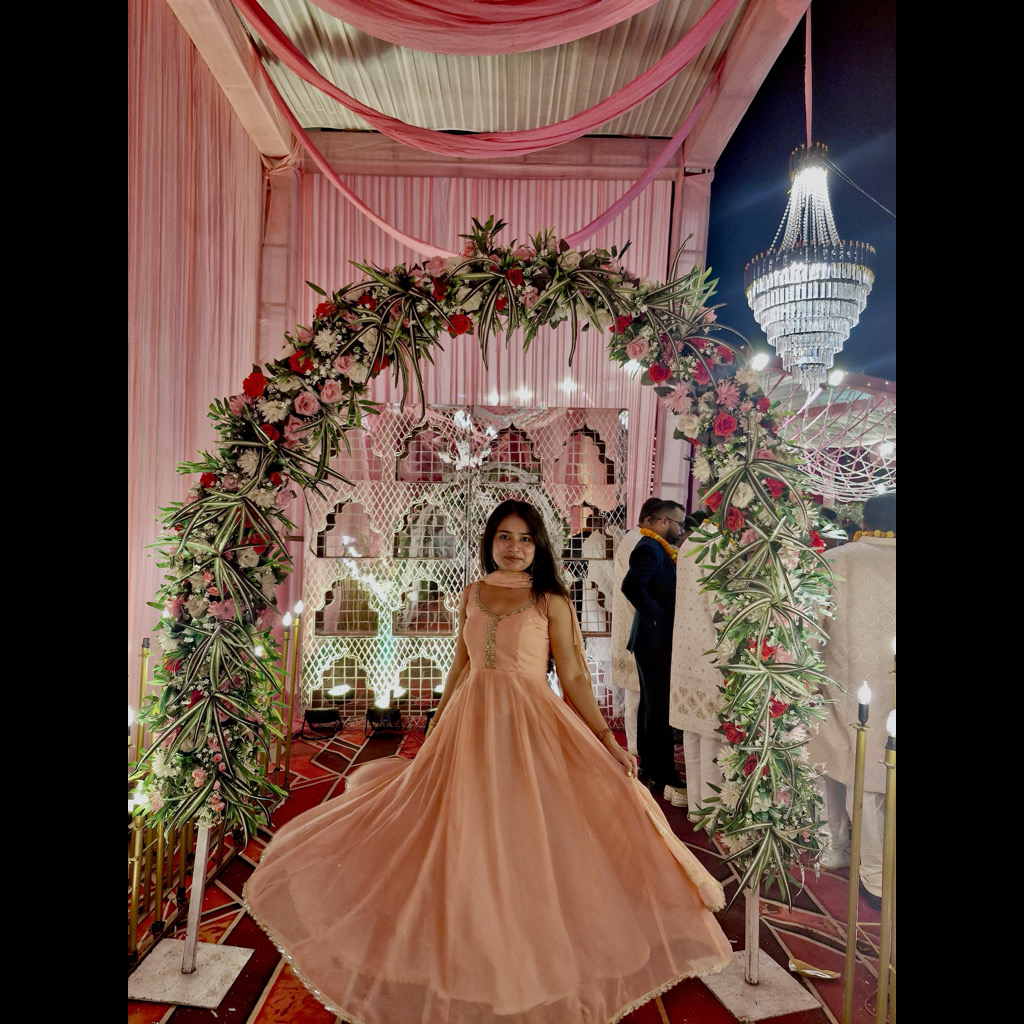
Guests benefit from the same custom approach. A mother or sister in a custom silk sharara or a clean Anarkali often looks more pulled together than someone in a heavy rented piece.
How do you select the best custom designer for your style?
Select a custom designer by inspecting finished garments in person, evaluating lining construction and seam quality, and reviewing photos of real clients with body shapes similar to yours rather than relying solely on model shoots.
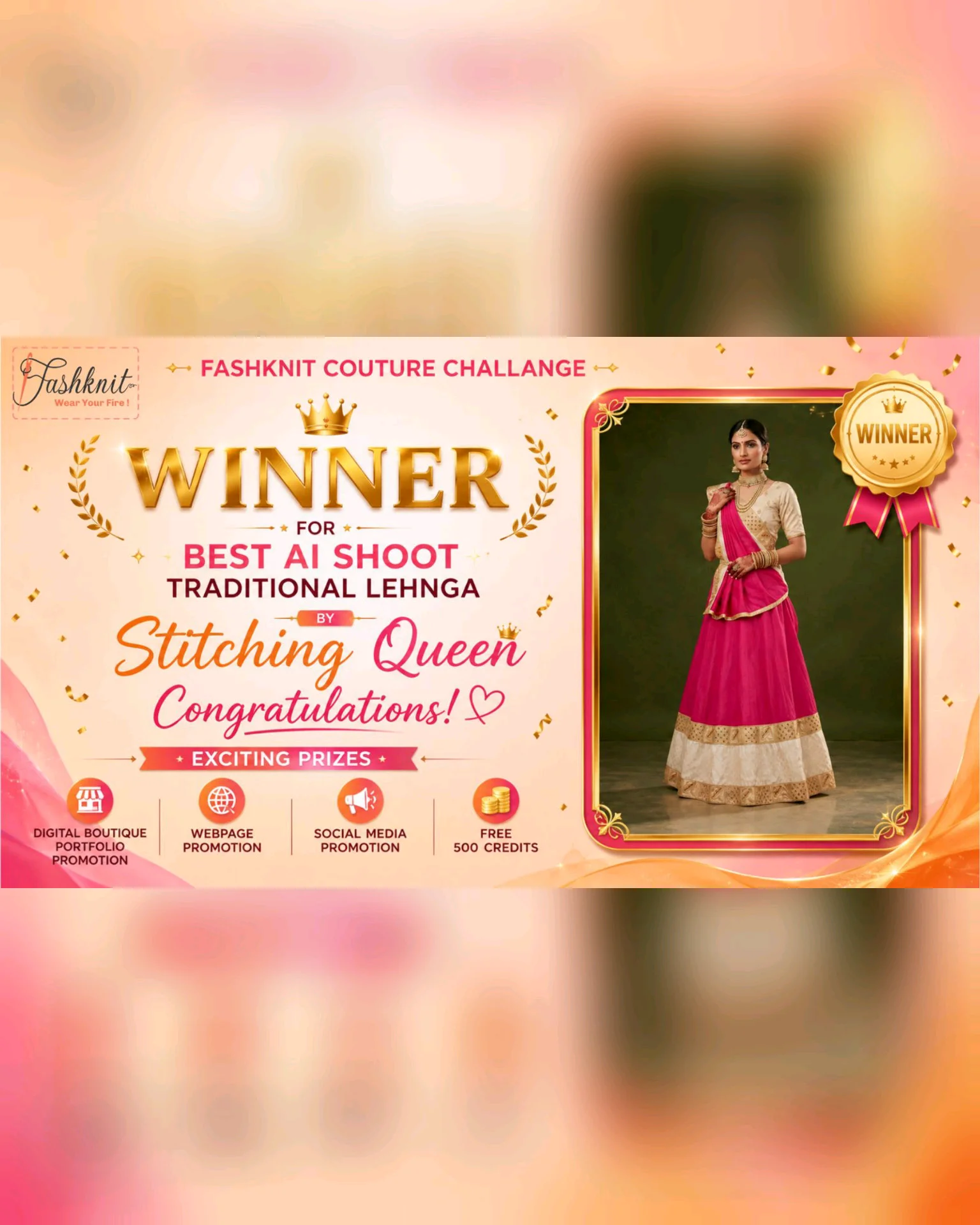
Visit in person if possible. Ask to see finished pieces on real clients, not just models. Look at the inside of a blouse or lehenga. Clean finishing and proper boning tell you more than the embroidery on the outside. Additionally, many designers are adopting digital tools to showcase their collections online. Read about how virtual model shoots help boutiques present their designs while giving you a realistic preview of the final attire.
Good questions to ask:
- How many fittings are included?
- Do you source the fabric or do I bring my own?
- What is the process if something needs changing after the final fitting?
- Can I see recent work for bodies similar to mine?
What is the standard timeline for custom bridal wear?
The standard timeline for custom bridal wear is 12–16 weeks. This includes initial consultations and design lock (weeks 1-2), base assembly and initial trials (weeks 3-6), final fitting sessions (weeks 7-10), and delivery with final checks (weeks 11-12).
- Week 1–2: Consultation, measurements, fabric and design finalized.
- Week 3–6: First and second fittings (including muslin toile check), embroidery or surface work.
- Week 7–10: Final fitting and any last adjustments.
- Week 11–12: Delivery, steaming, and final checks.
Build in buffer. Weddings move dates. Good designers will tell you their real capacity instead of promising the impossible. For details on budgeting, check our cost and timeline guide.
How do you find and book designers on FashKnit?
Find and book designers on FashKnit by searching location directories (like Delhi or Mumbai), filtering by bridal or groom specialties, reading customer reviews, and sending direct messages or booking a consultation directly through the platform.
Browse the Delhi, Mumbai, Bengaluru and other city listings. Filter by specialty (bridal lehenga, mens sherwani, plus size custom, etc.). Look at recent reviews and the detail in their profile about process and fabrics.
When something feels right, message the designer directly through the platform or book a consultation. Many offer virtual first meetings with photos and fabric swatches.
Ready to find your designer? Browse Delhi bridal boutiques or explore custom lehengas in your city through the directory. For quick previews before the first meeting, try the looks in the FashKnit app.